When we talk about relationships between mammals and birds, the first one that pops into mind is the oxpecker. These little birds are found on all of our large mammals and help rid them of external parasites. This relationship is known as mutualism, as both the buffalo and red-billed oxpecker gain something. The buffalo gets rid of a biting tick and the bird gets a tick engorged with protein rich buffalo blood. This relationship can also turn into a parasitic one, where oxpeckers will feed directly on the wounds of animals. They keep it clean of other parasites, but they themselves drink the blood and peck at the wounds, meaning it can take longer to heal.
Most other bird and mammal relationships would fall into the other class though, commensalism, where only the bird wins and the mammal is unaffected. This simply comes down to birds being intelligent and learning where and when they can use their mammalian neighbors to their own benefit. In this blog we are going to have a look at some of these relationships and how they work.
Following along
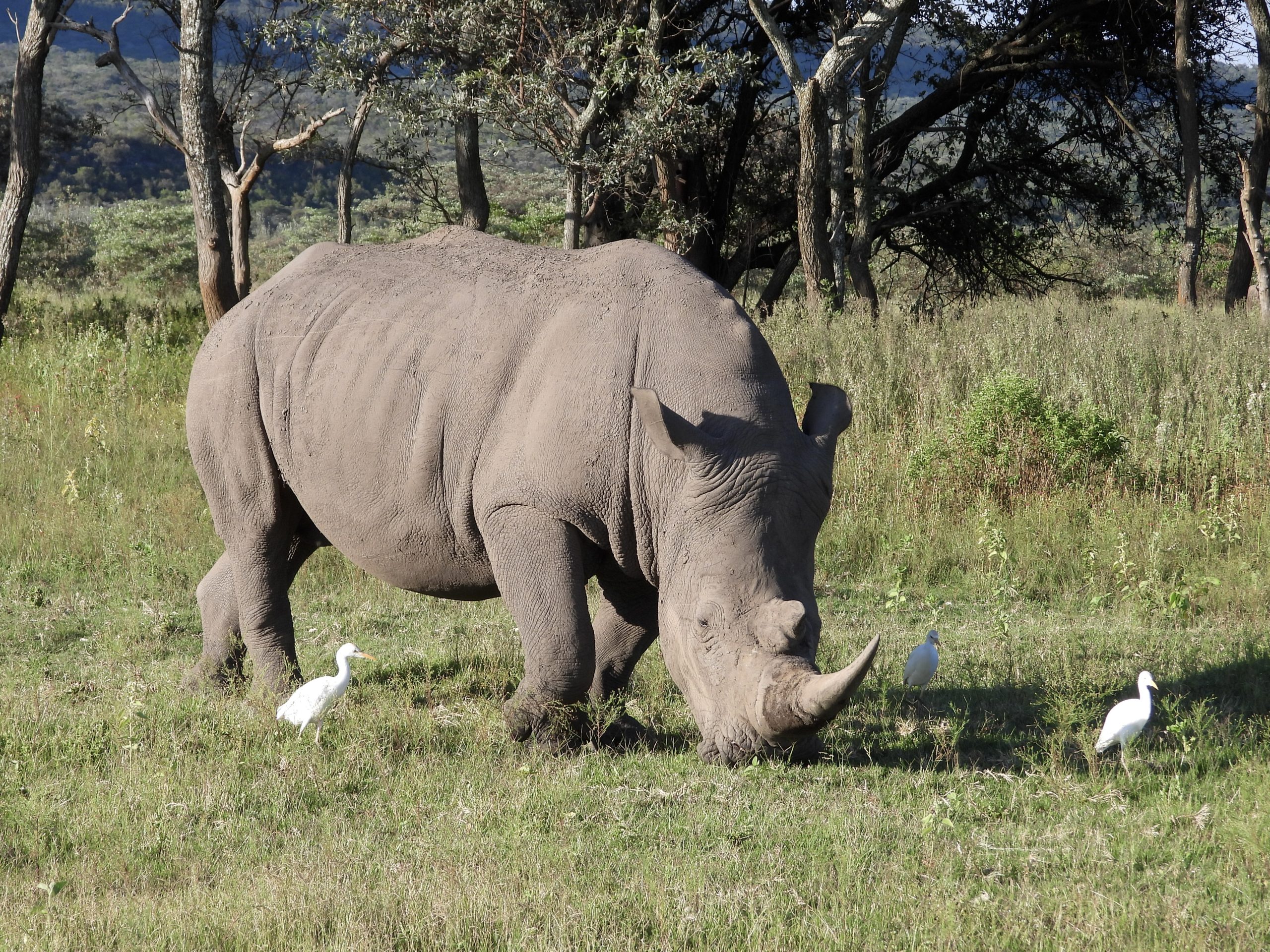
Fork-tailed drongos and Western cattle egrets are two bird species that have relationships with large herbivores, following them as they feed. As the large animal or group of animals feeds through the vegetation, they disturb insects or other animals that these two birds then prey on. The drongo will follow in flight or use perches close to the feeding animals, while the egrets follow along on foot or sometimes sit on the larger animals, hunting from their mobile perch. They are both opportunistic in their feeding, going after a large variety of insects. The drongo may be a little more so as they have been known to take small rodents and birds as well.
These birds have figured out that it takes far less energy to follow the mammals that flush their food from the vegetation, than to go actively foraging themselves. The insects that these birds go for, were once hidden in the vegetation. Once they just move a small amount, by jumping, flying or walking out of the way, they are seen by the bird and snatched up.
Drongos have even managed to learn that they can use us to do their flushing as well. In areas where safari vehicles are allowed to off-road, drongos have learnt to use the vehicles like they do the large herbivores. It can be good fun following an animal with two or three drongos hawking insects around the vehicle as you go.
Rat catchers
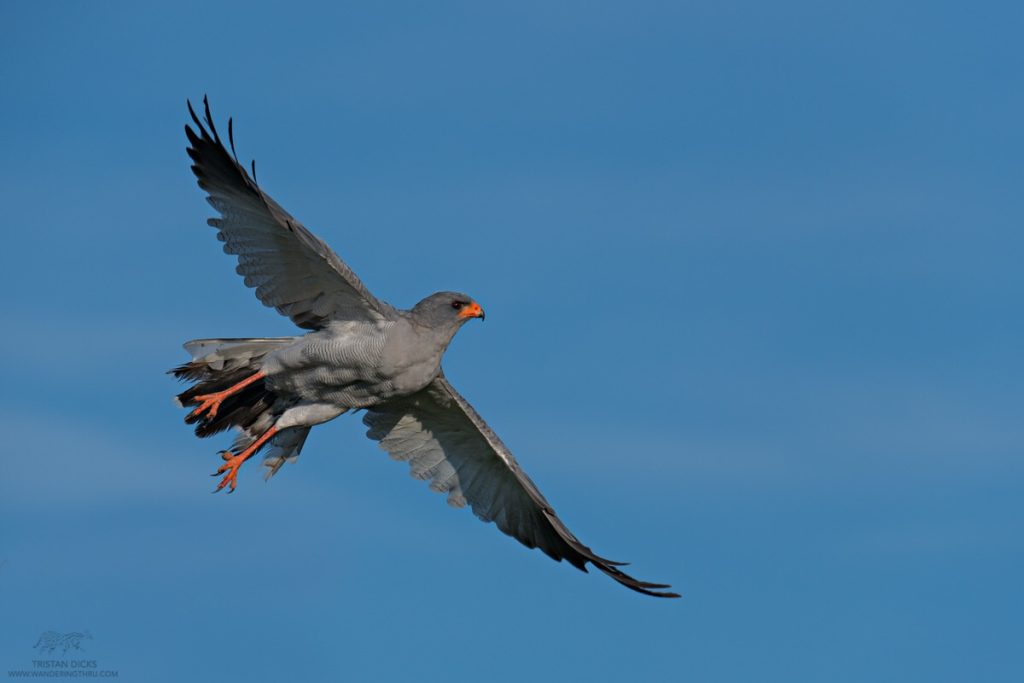
In the western drier parts of Southern Africa, one of our birds of prey, a pale chanting goshawk, has learnt how to use one of Africa’s hard headed mammals. Although honey badgers are well known for their attitude and stubbornness, they are not known for being the most agile of hunters. The badgers will go about, using their good sense of smell to locate rodents hiding in their burrows. Their bear like claws allow them to then dig into the tunnels towards where the rodent would be hiding. A fast, or rather lucky rodent will sometimes manage to side step and evade the badger and this is where the goshawk comes in. He waits for any of the escapees and fly down to catch them as they are unaware of the bird of prey. There is not much the badger can do to chase them off and as they’re not really competing for food directly anyway.
Honey seekers
It is well known to local people, that honeyguides are birds that will lead people to beehives. It is in fact only two species that do this, the scaly-throated and greater honeyguides. The greater honeyguide will take people and honey badgers to hives that they may have found.
To attract the attention of the ‘helper’, the bird will call and display by bobbing and flicking their wings excitedly. This is all done on an open branch where the bird can easily be seen. Once the bird is sure it has been noticed and seen, they will fly on a little, repeating the display. As long as they are followed, they will continue doing this until they get to the place where the hive is concealed. The bird itself is not interested in the honey itself, but rather the bees wax and the grubs. Bees however are far too much for the small bird to deal with and so that is why he gets help.
It is not known how these two species learned how to use people to do their dirty work of raiding the hive. While honey badgers use their strong claws to break into the hives as they have a tough skin that can tolerate stings, we are a bit softer and so will use smoke to get the bees out. Once a hive has been broken into and all the honey and honeycombs have been taken, or eaten, the bird moves in. They then pick up the grubs, dead adult bees and comb that is left over or broken off. The local people believe that if you are too greedy and leave the bird nothing, he will seek revenge. The next time he finds you, he will lead you into a sleeping lion or leopard.
A small friend
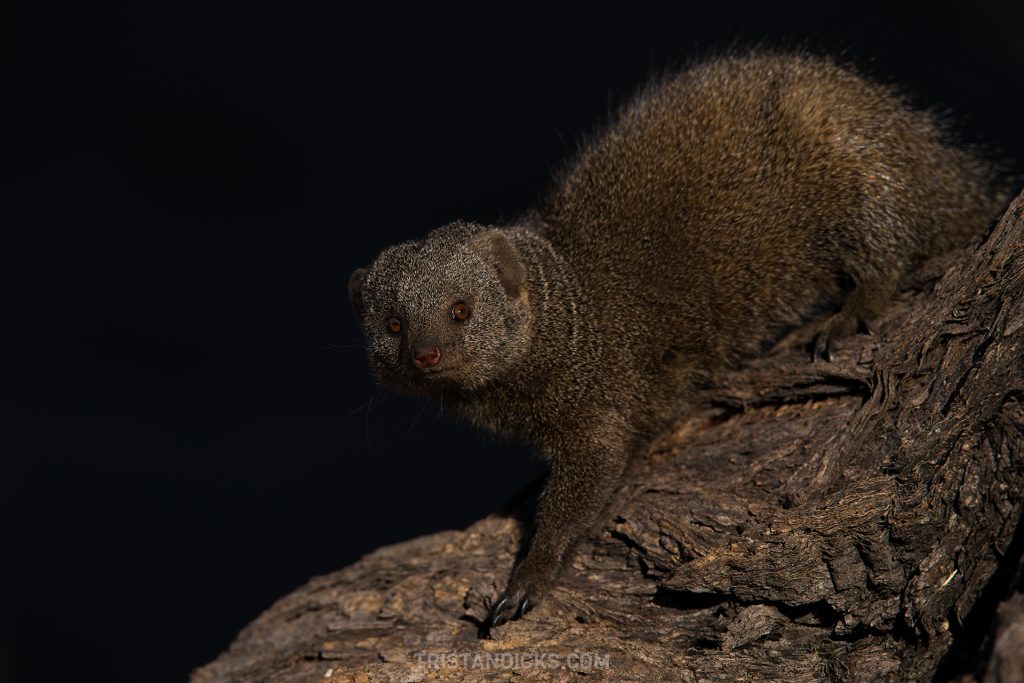
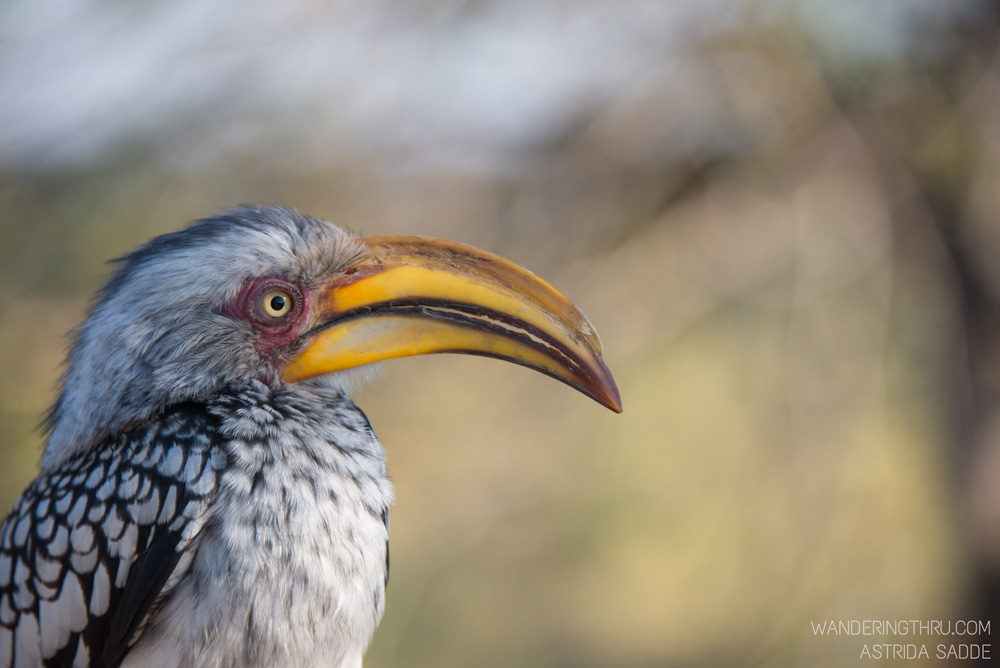
The last of the relationships is more of a mutualistic relationship than the others, as both parties here benefit. It is however one of the most humorous to watch as it is between dwarf mongoose and yellow-billed hornbills. The hornbills will act as sentinels for the mongoose as they forage, calling out of they see any birds of prey above. The hornbills will catch any insects that get away from the mongoose. Sometimes if the hornbills get too confident, the mongoose may chase them back up into the branches. It has also been seen where hornbills will go and wake up the mongoose group of they sleep in to late for the birds liking.
In the last few decades it has been proven how intelligent birds are. To be smart enough to form some sort of relationship or see an opportunity just shows this. They not only use mammals to benefit themselves at time, but also manipulate them into it at times as well.