

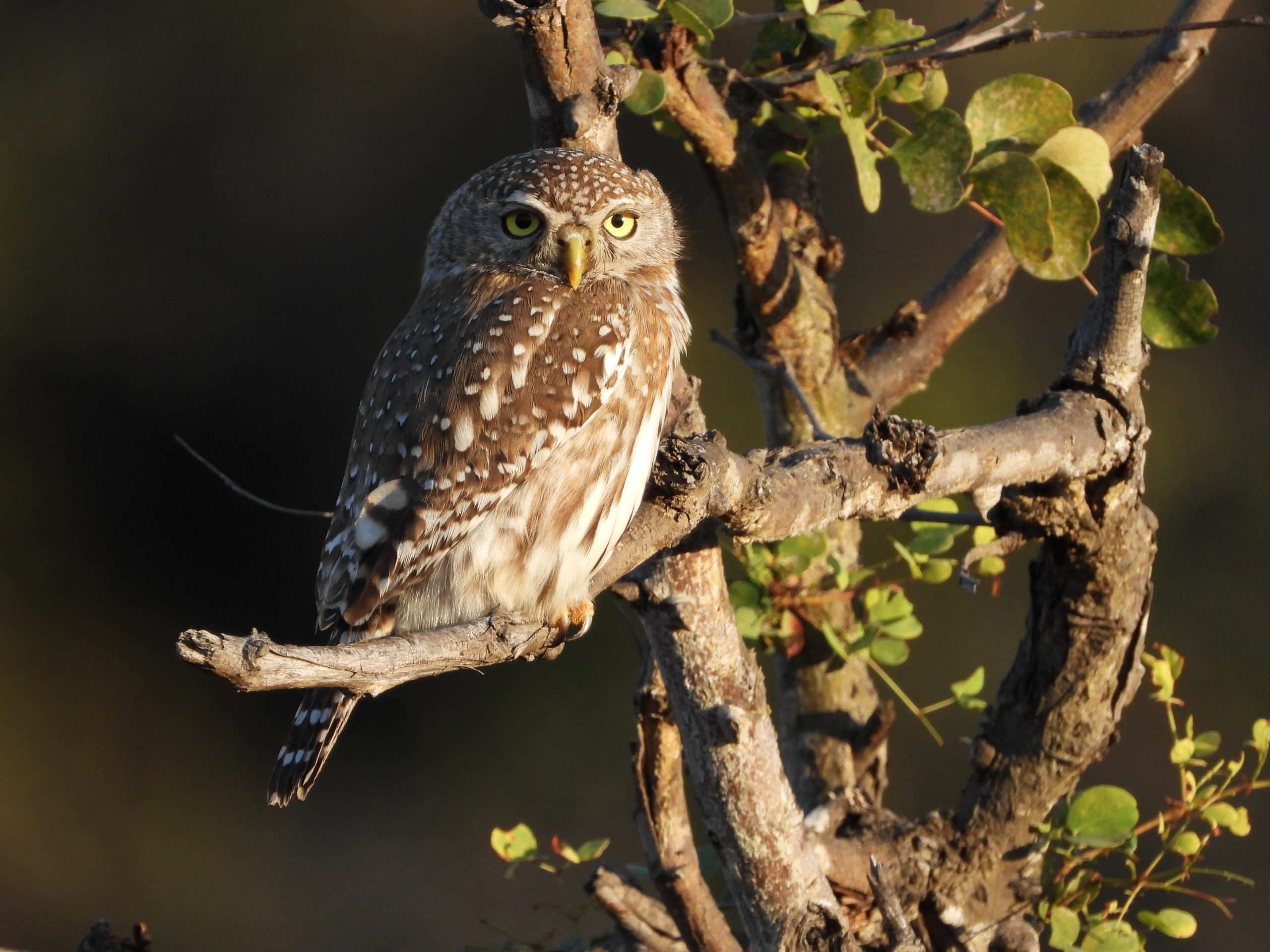
Birds of prey, better known as raptors, have intrigued humans for centuries. Even to the point where we have managed to semi-domesticate them, using them to help us with pest control and even hunting small game. They were worshipped in many old cultures, as they were depicted as idols of power and pride.
The word raptor comes from the Latin word “raptare,” meaning “to seize.” Raptors are characterised by their hooked bills, keen eyesight, along with their powerful feet accompanied by sharp talons. There are other birds like hornbills, rollers, and shrikes that also hunt, but they are not considered raptors as they lack these.
General
Africa itself is blessed with the number of raptors and sheer diversity of raptors that we have here. In Southern Africa alone, we have 71 species, excluding the 12 species of owls. Vultures, eagles, kestrels, secretarybirds, falcons, vultures, and owls are all considered to be raptors.
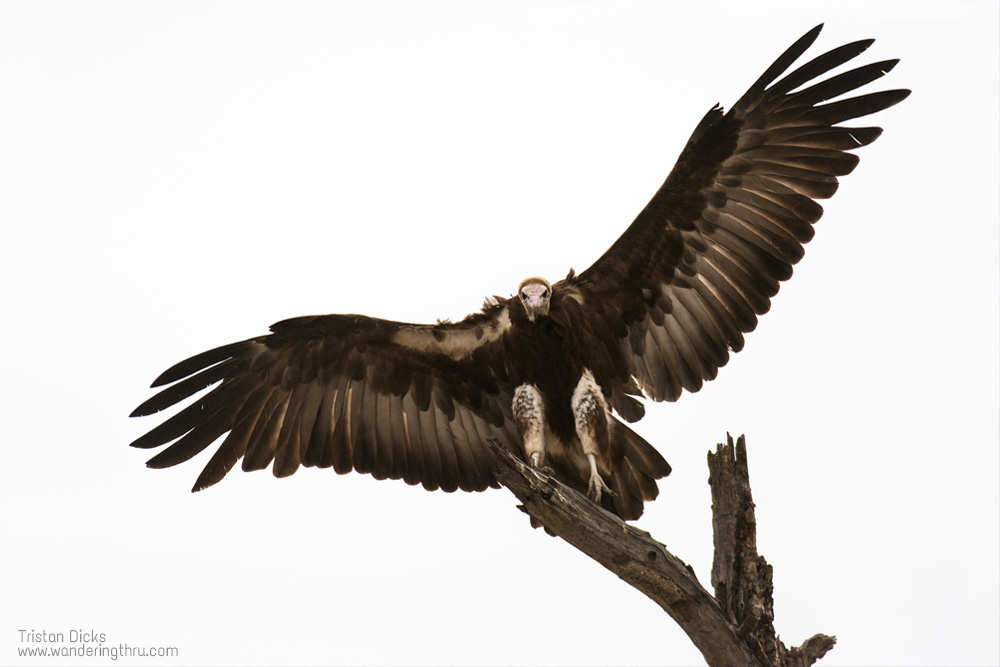
The smallest of our raptors is the pygmy falcon, with a length of 19 cm, a wingspan of 37 cm, and a weight of 60 grams. The lappet-faced vulture is the largest, with a length of a metre (3.3 feet), a wingspan of 2,7m (8.9 feet), and a weight of about 6,5 kg (14.3 pounds). Between these two extremes, it shows the different adaptations, the diversity in habitats, and feeding on any available prey.
In most raptors, the female is larger than the male. The size difference often depends on the preferred prey species. Where prey species are agile and difficult to catch, the males are sometimes half the size of the female, allowing them to match the prey’s agility. Females are still large, as they are responsible for incubating the eggs and caring for the chicks. In species where both sexes are involved in the incubation and rearing of chicks, the sexes are often the same size or similar size. This is often a much-debated topic, though.
Killing apparatus
The hooked bill of a rat looks incredibly dangerous, but in spite of this, it is very seldom actually used for the act of killing. The main purpose of the bill is for feeding, cutting up, and tearing flesh into good-sized chunks that the bird can swallow. Falcons and kestrels will sometimes use the bill to kill small prey as they hold it still with the talons. The size and shape of a raptor’s bill can give you a good idea of the feeding habits and preferred prey of each species.
When killing prey, it is the legs, toes, and sharp talons that are used to subdue and kill struggling prey. The lower legs and toes often look thin and weak; however, they are connected to large muscles in the upper part of the leg by strong tendons. Even small birds of prey have a powerful grip.
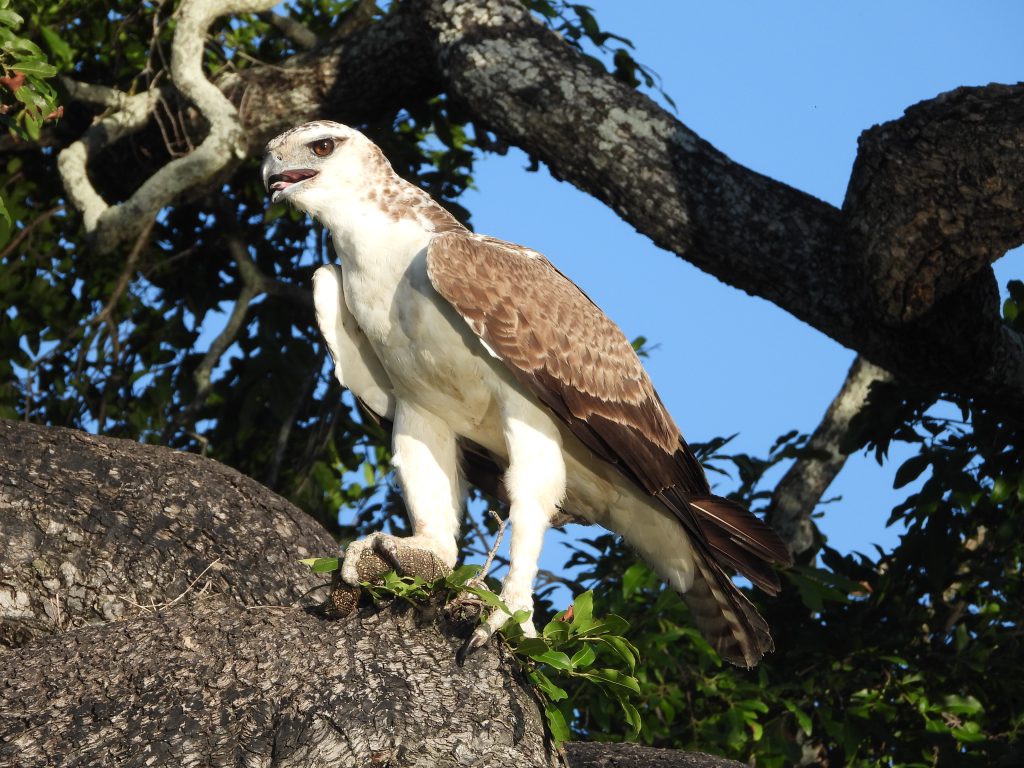
Legs and feet have large variations in design, depending on prey and hunting methods used by each species. Fish eating raptors have spiny soles and long talons to hold onto their slippery prey. Birds of prey that specialise in catching other birds will have long legs with thin toes, allowing them to reach forward when grabbing flying prey. Snake-eagles have short, strong toes with think scales on the legs to protect them from being bitten by their prey. Short legs with thick toes belong to raptors that kill mammals or large game birds. These legs are fully feathered down to the toes. Vulture feet are not adapted to grasping prey, and they have blunt talons. Their feet are more like springs with toes, allowing them to hop around when feeding on carcasses on the ground.
Flight
Raptors are excellent fliers. Some of them have to cover large areas and fly in dense forests, all the while being fast and agile in the pursuit of prey.
The flight silhouette of a raptor can tell you a lot about their hunting method. Most of your large raptors have long, broad wings for soaring flight. The long primaries, like fingers, are designed to reduce air turbulence and, therefore, increase the efficiency of the wing in carrying a heavy bird. The short tail is used as a rudder to help steer the bird. Raptors that live in forests will have short, rounded wings but long tails. This gives them manoeuvrability while chasing prey in the thick vegetation. Raptors with long, pointed wings and long tails are usually high-speed fliers. These wings are also used by raptors that hover.

Owls have specially adapted feathers to allow for their silent flight. The primary feathers have a fringed trailing edge and a downy upper surface that reduces air turbulence. Pel’s fishing owls lack this, as their fish prey cannot hear them under water.
Eyesight
The amazing eyesight of raptors is amazing. The retina of a raptor is more densely packed with light-sensitive cells than any other animal. Diurnal raptors have excellent colour vision, but their vision at night is probably the same as ours. Owls, on the other hand, have incredible night vision, but lack a lot of colour vision. The bony eyebrow, which gives raptors an aggressive look, probably helps protect the eye when killing struggling prey.
Some of our raptors, namely vultures and bateleur eagles, have incredible binocular vision, and it is thought that they can see up to 95km (60 miles) in good detail. Owls, with their forward-facing eyes, also have incredible binocular vision. With the field of vision being overlapped by both eyes, this gives them exceptional depth and distance judgement.
Hearing and Calls
Raptors have excellent hearing. Although they hunt mainly by sight, the squeaking of a mouse or the call of a songbird can alert a raptor to potential food and catch their attention.
The flattish facial discs of owls fulfil a similar function to the external ear of a mammal as they funnel sounds to the ear openings. The same is true for the ear tufts, which people often confuse with ears. Some other birds of prey, like harriers, also have this, and it shows the importance of hearing prey for some species. Owls can hunt in complete darkness, using only their hearing to locate prey.
When it comes to vocalisation, most birds of prey have a variety of simple calls. These may be given as a territorial display, during courting, at a nest, or as an alarm call to alert their young or partner. Most calls are very similar, though, and can be difficult to differentiate. This is, however, very different for owls, and even we can learn the different calls easily.
Breeding
Most of your birds of prey will have a defended territory that they use for breeding. Hunting territories may be larger, though, and sometimes neighbouring pairs will overlap here. Hunting ranges depend from species to species and are completely dependent on prey availability,much like predatory mammals.
The majority of our large raptors breed during the winter months. This is because large nests are often built at the tops of trees, and with the high temperatures we experience in the summer, eggs and chicks would be exposed to the harsh summer sun. Birds of prey that can nest in canopies or thickets will adjust their breeding cycle to when prey is at its maximum availability. Large raptors lay smaller clutches of eggs and invest a longer time in the raising of their young. This means they may only breed every second season. Smaller species may clutch more than one clutch a season if prey is plentiful.
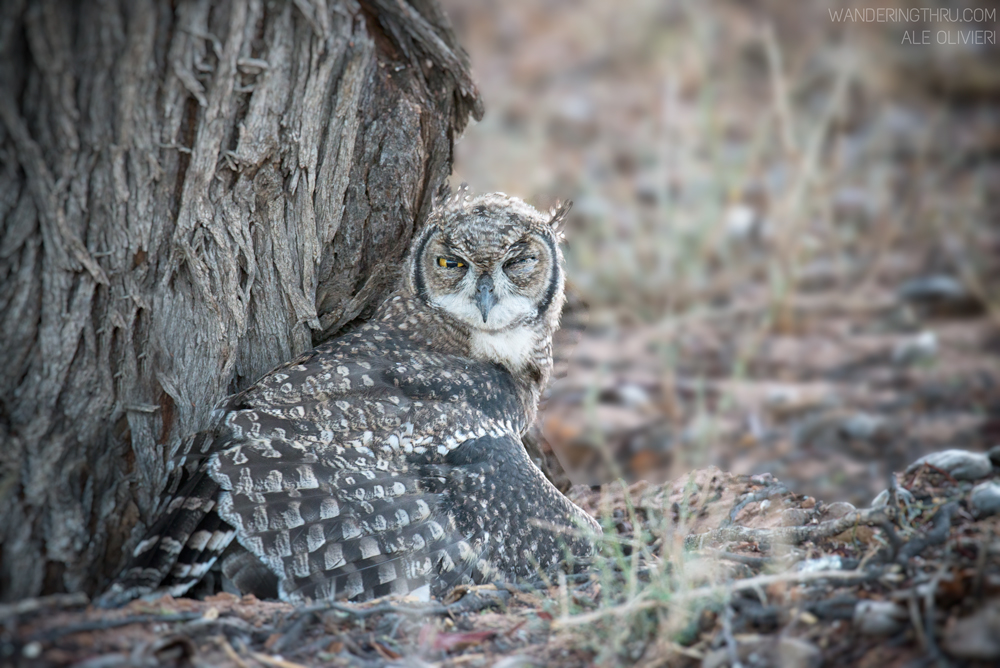
Siblicide, or cainism (Cain and Abel syndrome), is the act of aggression associated with the broods of the large raptors. Here, the older chick kills its younger sibling within a few days of hatching. This is thought to be a waste, but it is believed that the second egg is laid as insurance in case something happens to the first egg.
It is usually the female’s responsibility to incubate the eggs and to brood and feed the chicks. The male helps build the nest, but his main job is to bring food to his partner. As with large mammal predators,they have a low success rate, and most youngsters will not survive to adulthood.
Conclusion
Raptors are incredible feathered hunters who adapt to their habitats and hunting strategies. As with so many animals, though, they need our help, protecting not only them but also the habitats that they and their prey need to survive.