
“I’m a Kruger snob,” I admit, a little sheepishly. I’ve always been drawn to open, self-regulating ecosystems — endless vistas, tough-love ecosystems, and that classic safari feel. So when someone mentioned the Eastern Cape’s Kwandwe Private Game Reserve, I smiled politely and thought, “That’s cute.”
What I didn’t expect was to be completely undone by it.
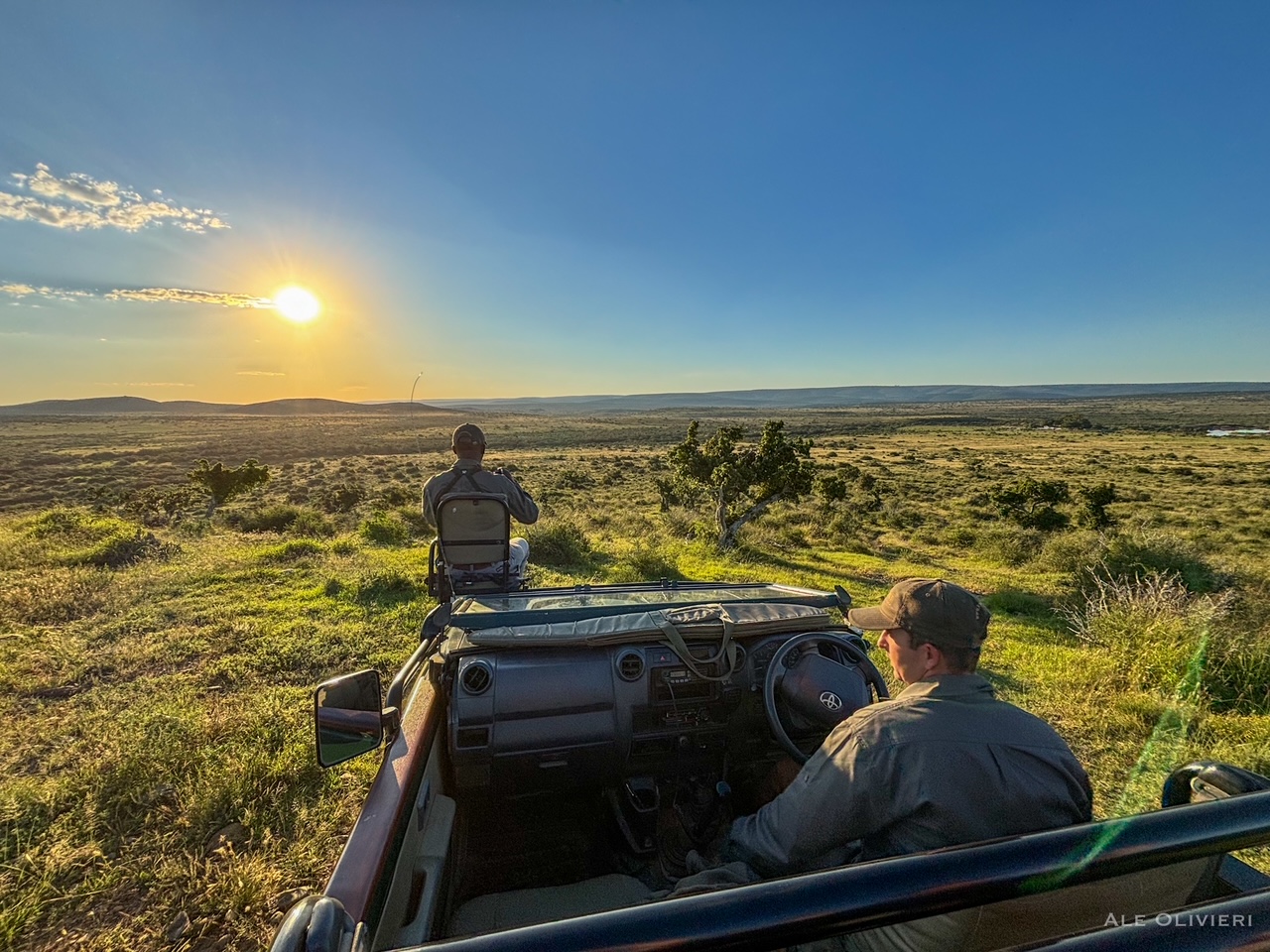
Kwandwe, for those unfamiliar, sits quietly — and proudly — in South Africa’s Eastern Cape, far from the crowds and well-trodden routes. It’s a place that doesn’t shout about itself. It doesn’t need to. Because once you’re there, you get it. The landscape, as one ranger put it, feels like the Lowveld and the Kalahari had a baby. And I swear, that kid is thriving.
The Spirit of the Place
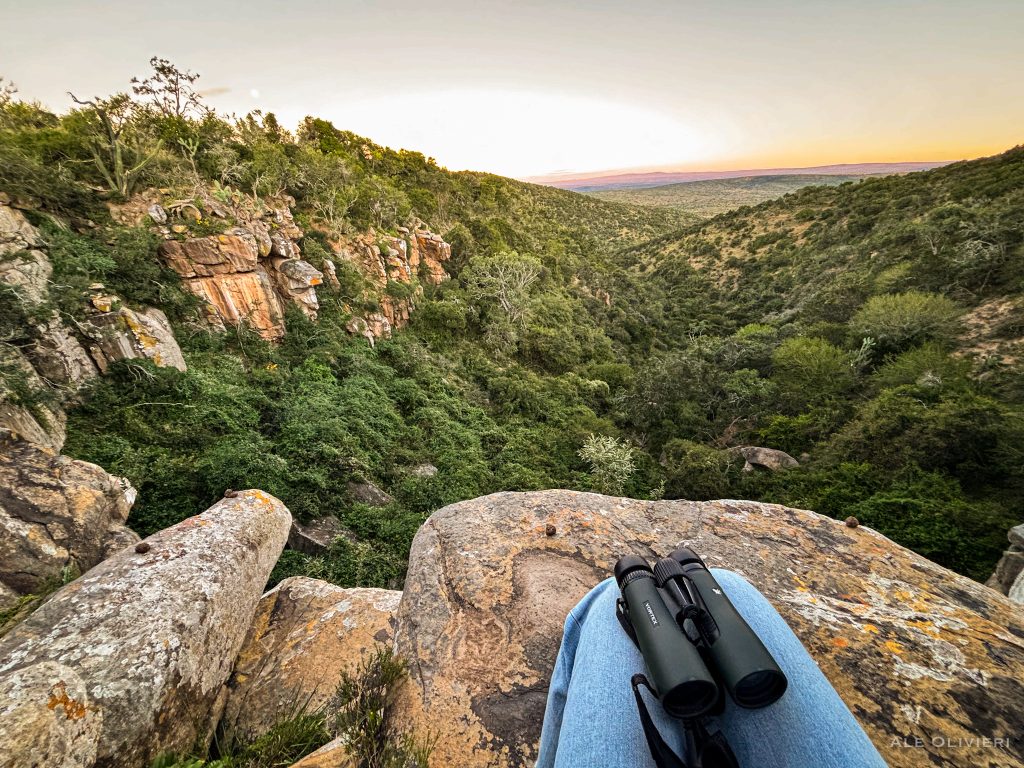
But it’s not just the species list that made Kwandwe sing for me. It’s the feeling of it — the way the landscape shifts between dense thickets and open plains, the scent of spekboom in the air, the quiet confidence of a reserve that has nothing to prove.

The guides are sharp — not just in tracking, but in storytelling, in connecting you to place and purpose. The conservation ethos isn’t performative. It’s real. Thoughtful. Woven into the daily rhythm of the reserve.
And yes, there’s a touch of luxury, but never in a way that competes with nature. Kwandwe keeps its soul intact.
Kwandwe: A Wild Reclamation
Nestled northeast of Grahamstown, Kwandwe Private Game Reserve sprawls across 22,000 hectares of reclaimed farmland, bisected by the sinuous Great Fish River. It’s part sanctuary, part comeback story. Named after the Xhosa phrase for “Place of the Blue Crane,” it now supports a rich array of wildlife — from elephants and cheetahs to some of the best black rhino viewing in southern Africa.
Its dominant ecosystem — Albany Thicket — is wildly underrated. Dense, layered, full of spekboom and succulents, it’s one of South Africa’s most carbon-rich biomes. The landscape, as they say, feels like the Lowveld and the Kalahari had a baby. And that kid is thriving.
From the very first afternoon, Kwandwe set the tone. We came across a cheetah mother with four nearly adult cubs, lounging in the golden light — already a moment worth framing. But the story went deeper: one of the cubs had been adopted, raised as her own. In the wild, that kind of compassion is rare and quietly profound. That sighting set the pace for a string of unforgettable encounters, as Kwandwe delivered, again and again.
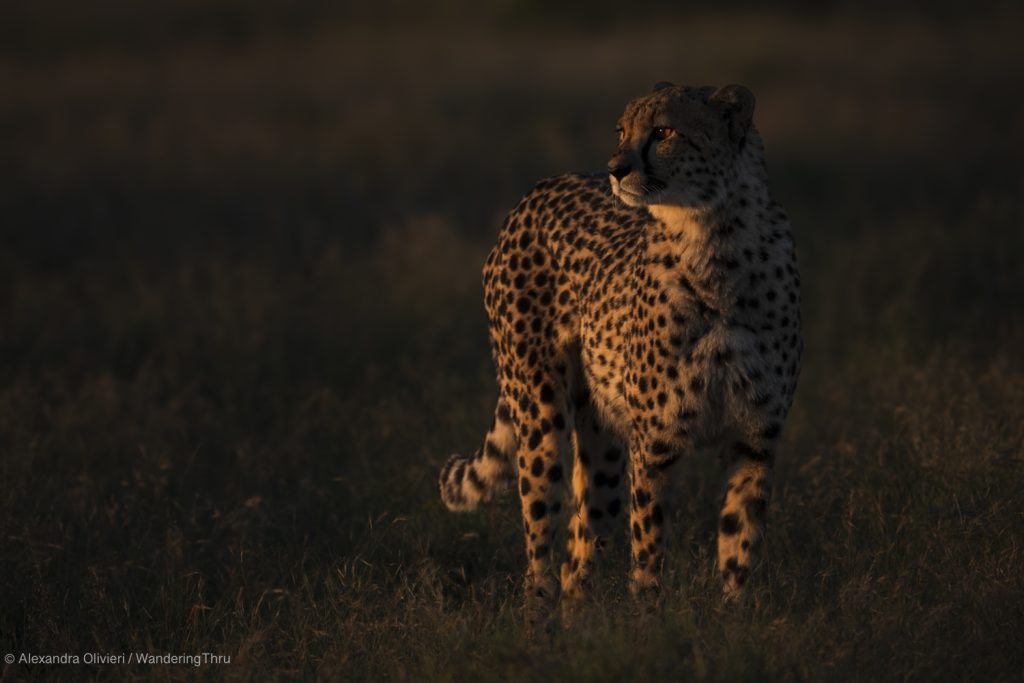
On our final morning, we found her again — this time stalking a herd of zebra, low in the grass and laser-focused. She made her move, swift and determined, but the zebras outpaced her. A miss, yes, but still heart-pounding and bathed in that soft, cinematic glow the Eastern Cape does so well.
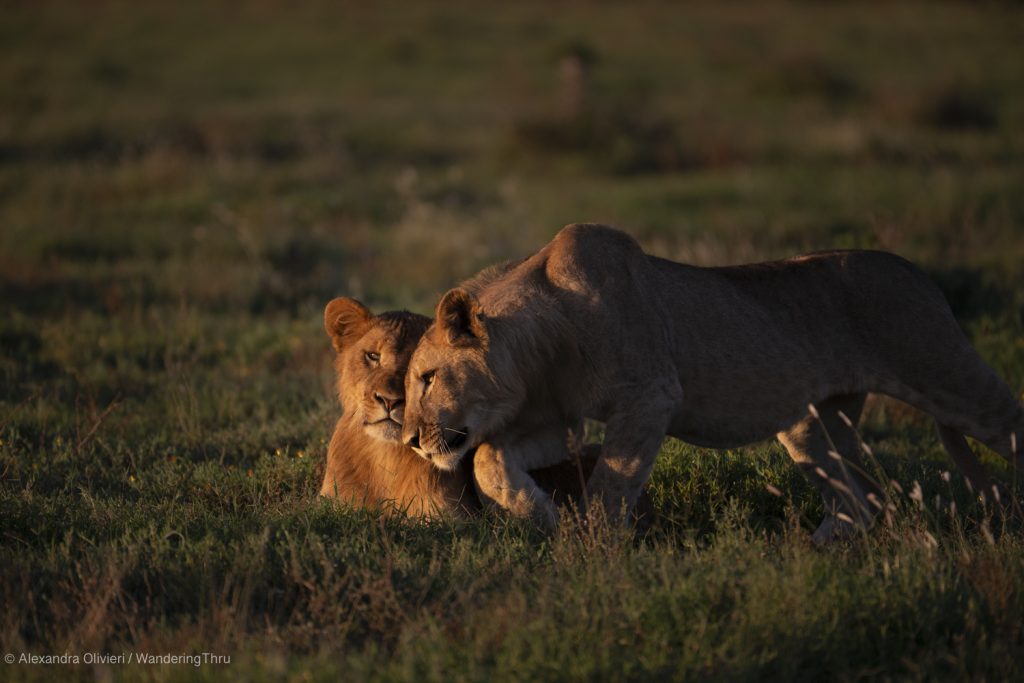
Between those two cheetah moments, the bush never stopped offering up stories. Lions hunting eland in the same golden light — another close call, another breathless silence. One night, the reserve dealt out its rarest cards: two caracals in a single evening, moving with ghostly confidence just meters from us. That same night, we saw bat-eared foxes — and word came from another vehicle of an aardwolf nearby.
A leopard also made a brief appearance — an elusive male, vanishing into shadows and adrenaline. Even that fleeting glimpse was worth it. And the rhinos — both white and black — were everywhere. They seemed to move with the land, never like sightings but more like meetings. At one point, we spent time with a cheetah and her tiny, three-month-old cubs — impossibly small, impossibly perfect, bounding up and down through the shrubbery.
Each day folded into the next like pages in a book you don’t want to finish. Kwandwe, in its quiet and unassuming way, gave us a safari that felt both deeply personal and entirely wild.
A Trust Rooted in Real Conservation
Here’s the part I didn’t expect to write: we took part in one of Kwandwe’s rhino conservation experiences. And it wasn’t just theatre for guests — it was the real deal.
The reserve offers these rare, hands-on experiences only when conditions are right, and when guest involvement truly supports the wellbeing of the animals. We were lucky — not just to be there, but to be included.
Before anything began, we were thoroughly briefed. We learned how the team uses telemetry, GPS tags, and AI-enhanced systems to monitor individual rhinos. We heard about poaching threats, the technologies combating them, and how each darting is mapped with precision for both safety and scientific value.
This wasn’t a one-off. It’s part of the long-term vision of the Kwandwe Rhino Conservation Trust (KRCT). Every guest at Kwandwe contributes to this work through a conservation levy.
That day, we joined the team to dart a white rhino cow and her calf. As the tranquiliser kicked in, Angus Sholto-Douglas — who leads much of the conservation work — smiled and said, “This particular cow is the one we used for the Kwandwe logo.”
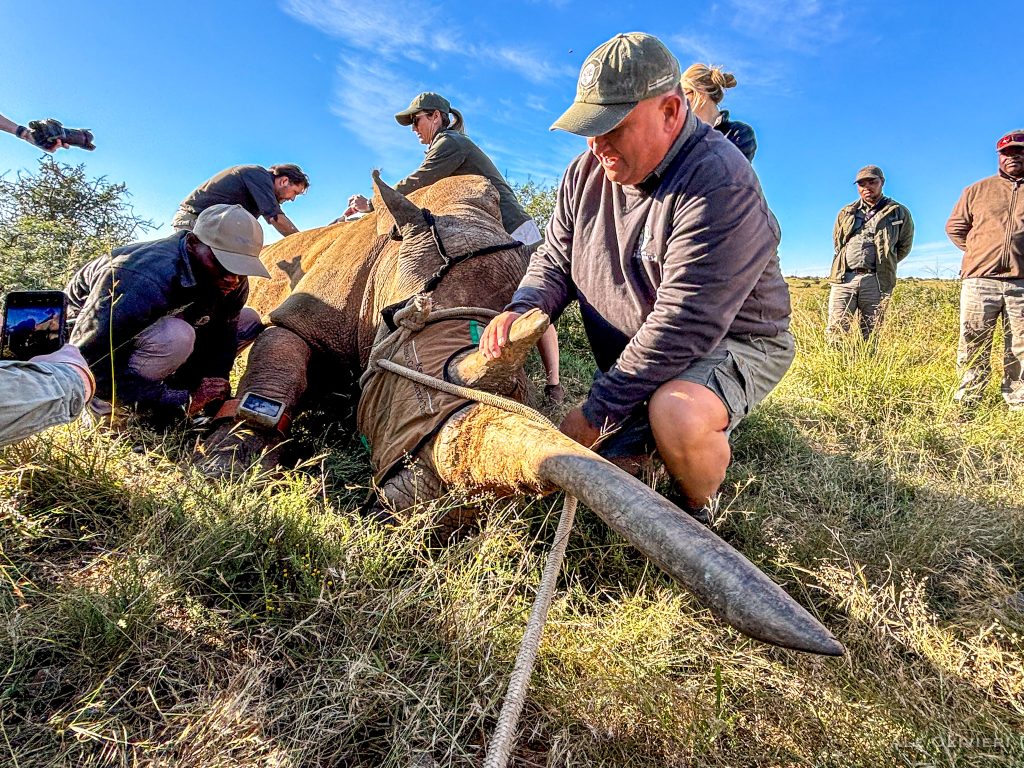
While she was safely sedated, the team moved with quiet, practiced precision. We collected biological samples (yes, even picking ticks from a rhino’s rear!), took measurements, and monitored vitals. It was clinical, reverent, and beautiful. Then the reversal drug was administered. We stepped back, watched mother and calf rise, and disappear quietly into the bush — unharmed, and now equipped with tracking gear that will help keep them safe.
Participating in a genuine conservation effort — one not staged for show — is one of the most meaningful experiences you can have on safari. I was deeply impressed by the professionalism of the entire team, and how they maintained unwavering respect for the animals at every step.
Goodbye, Snobbery
I’ll always love Kruger — it’s home, and it always will be. But after my time at Kwandwe, I’ve officially added a new category to my safari ranking system: Unexpectedly Excellent.
Kwandwe is wild and quiet. It’s conservation-forward. It’s intimate without being precious or pretentious. And it’s real — deeply, uncompromisingly real. It’s not about scale or spectacle — it’s about depth. It’s a place that invites stillness and awe, that reminds you that wildness isn’t loud — it’s layered, subtle, and soulful.
It humbles the high expectations of even the most seasoned safari-goers, by delivering where it matters: in meaningful conservation, in surprising wildlife moments, and in leaving your spirit a little more stretched than when you arrived.
So yes, bring your camera — but more importantly, bring your curiosity, your care, and maybe even your commitment. Because this is one patch of South Africa that doesn’t just ask you to witness its wild — it invites you to protect it.
The Greater Kruger will always be a magnificent safari destination. But if you’re looking for something that gently shakes your expectations, makes you feel something, and allows you to play a small part in something bigger — go to Kwandwe.