

When people think of Tanzania, they often imagine dry plains, golden light, and dramatic river crossings. But there’s another side to this country—lush, vibrant, and deeply intimate: the green season. Across northern Tanzania and even up into the Maasai Mara ecosystem, the so called safari green season it’s shaped by two distinct rainy periods:
- Short rains (November–December) – brief, refreshing showers that bring landscapes back to life
- Long rains (March–May) – heavier, more consistent rains that transform the plains into lush, fertile ecosystems
On our recenter journey, Entara’s Ultimate Green Season Tanzania Safari itinerary, we explored some of northern Tanzania’s most iconic regions—from Arusha National Park to the Tarangire ecosystem and deep into the southern Serengeti National Park—and what unfolded was nothing short of extraordinary. We explored everything from forested parklands to migration-filled plains. The best part? The lack of humans that seems to characterize the peak season safaris.
Arusha National Park: The Perfect Beginning
We started our safari in Arusha National Park, a place that often surprises travelers. Smaller than many of Tanzania’s famed parks, it’s sometimes overlooked as it’s relatively small and close to human settlements. Due to the lack of apex predators, Arusha is however one of the few parks in Tanzania where walking safaris are possible, and stretching our legs after long international flights has a certain appeal to it.
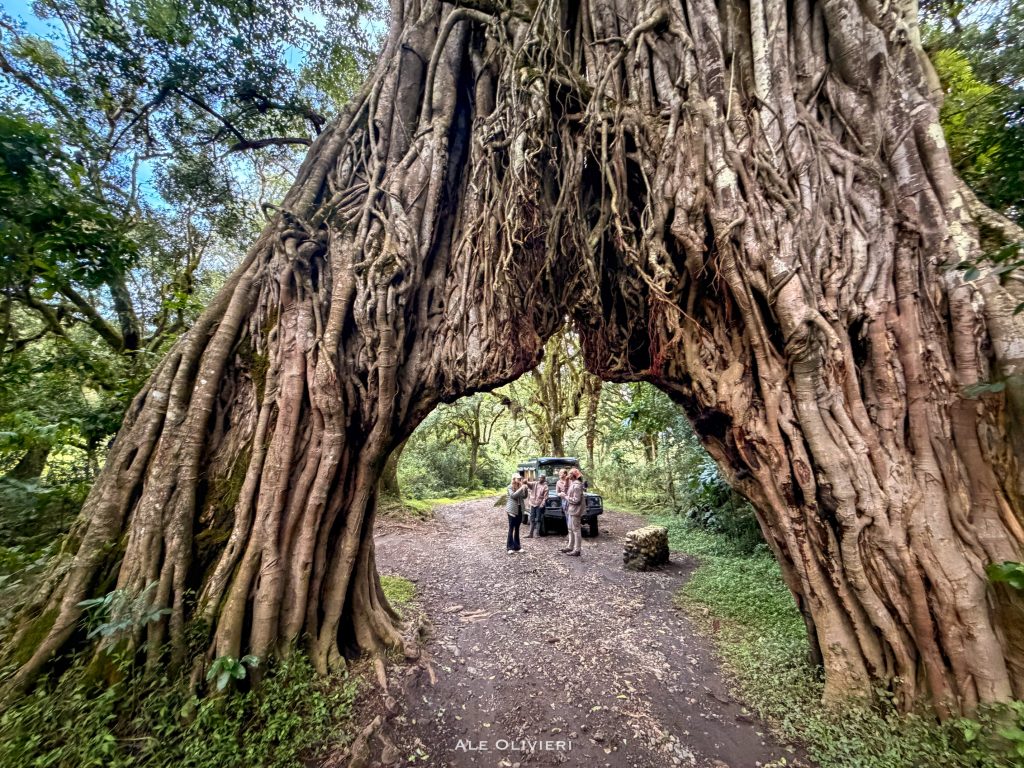
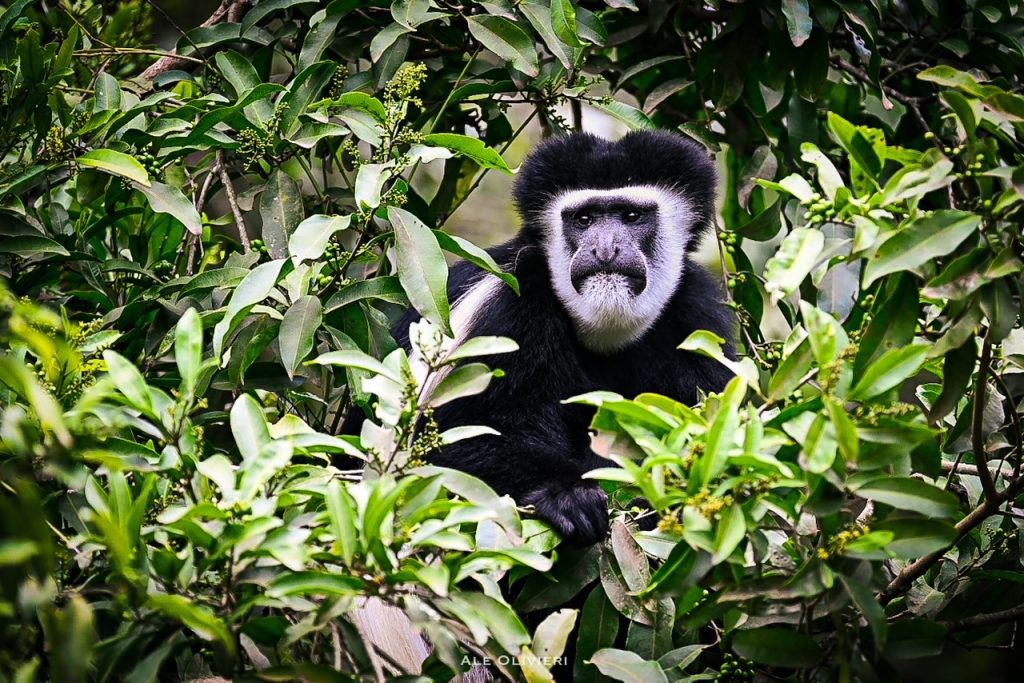
We started our safari at Koroi Forest Camp. The camp is aptly named after the distinct sound made by colobus monkeys—and you hear it often. These striking black-and-white primates became one of the highlights of our time here, leaping through ancient fig trees that form natural archways—almost like stepping through portals into another world.
Koroi is ideal for easing into safari life (or emerging from it!). After a long international flight, there’s something grounding and relieving about walking through the forest and not heading straight into jumping on the back of a safari vehicle.
Spending 2 nights at the camp, our first morning activity was dedicated entirely to walking and exploring the forest, while in the afternoon we opted for longer drive in search of bird and wildlife alike. During our sundowner by the lake, we were treated to flocks of flamingos painting the water pink. Giraffes and buffalo were plentiful, and for me, spotting tiny dik-diks darting through the underbrush is always a joy.
Randilen & Tarangire: Conservation and Raw Safari Moments
From Arusha, we headed toward the Tarangire ecosystem, exploring both Tarangire National Park and the adjacent Randilen Wildlife Management Area.
Randilen is a community-run conservation area—vital for protecting wildlife corridors and supporting local livelihoods. These areas are essential for migratory species moving beyond park boundaries and this is exactly where Olkeri Camp sits.
Our stay at Okeri wasn’t the classic “postcard safari” experience due to the weather. We had a full day of rain but although game viewing proved to be a bit more difficult, the camp and the staff were top notch and the food exquisite!
Due to the wet conditions we opted for a full day safari in the Tarangire National Park, and despite the rain, we were rewarded with good moments and had the adrenaline rush of helping another unfortunate safari vehicle out of the mud. The green season certainly is the time of the year for those with a spirit of adventure!
Not your typical safari moment, but one that captures the unpredictability of the green season.
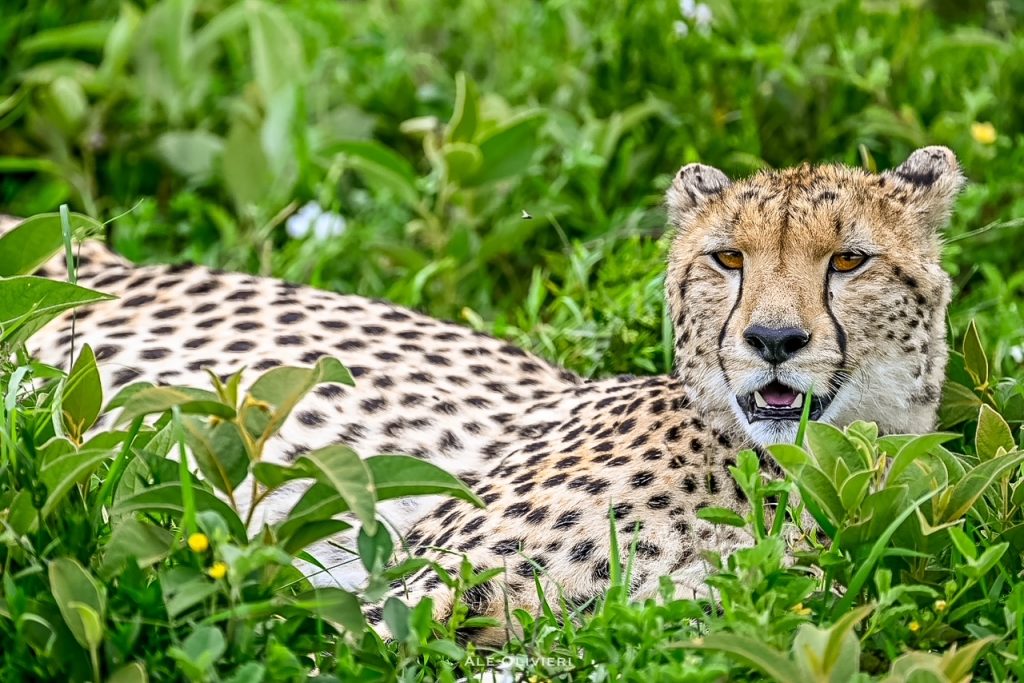
And yet, the rewards were immense as we had the great luck of enjoying a cheetah sighting on our way back to camp. Watching these elegant predators in such moody weather added a cinematic quality to the moment. Meanwhile, the deep, echoing calls of southern ground hornbills carried across the wet savannah—an ancient sound that makes you pause and listen.
Sometimes, it’s not about perfect conditions. It’s about presence and learning to thrive in the rain.
Ndutu & the Southern Serengeti: Where Life Begins
From Tarangire, we journeyed into the southern plains of the Serengeti, specifically the Ndutu Region—a prime location during February and March.
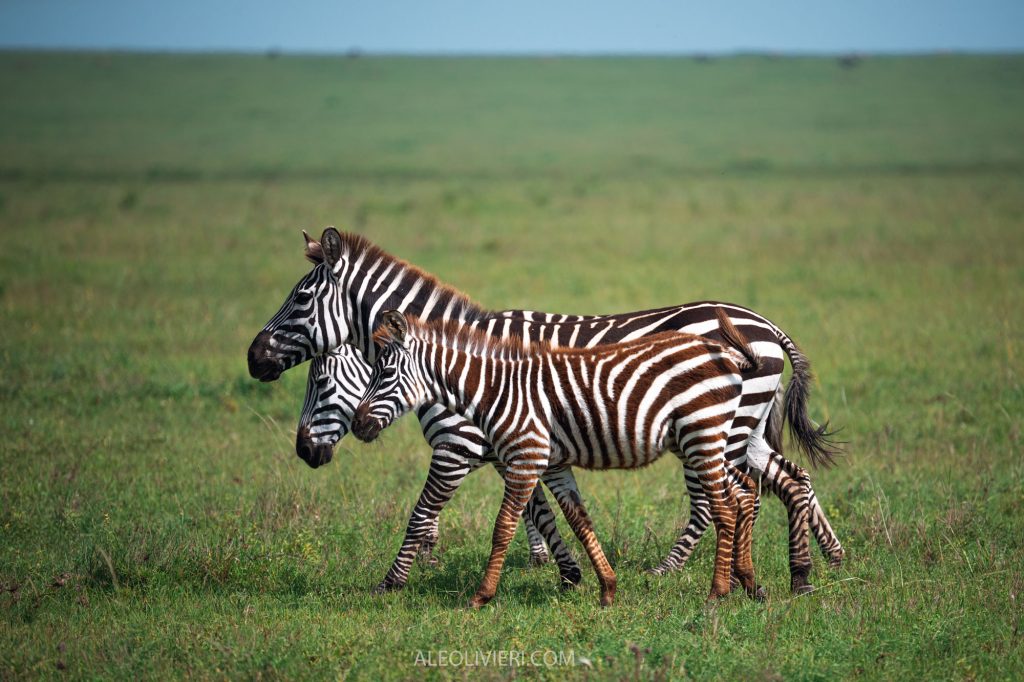
This is calving season for the Great Migration. Thousands upon thousands of wildebeest and zebra scatter across the plains, giving birth to the next generation. With new life comes heightened predator activity—and incredible wildlife viewing.
We stayed at the mobile Esirai Camp, a beautifully understated camp that perfectly balances comfort with authenticity. Bucket showers, warm hospitality, and a front-row seat to the herds—it doesn’t get better than this.
The sightings here were simply epic.
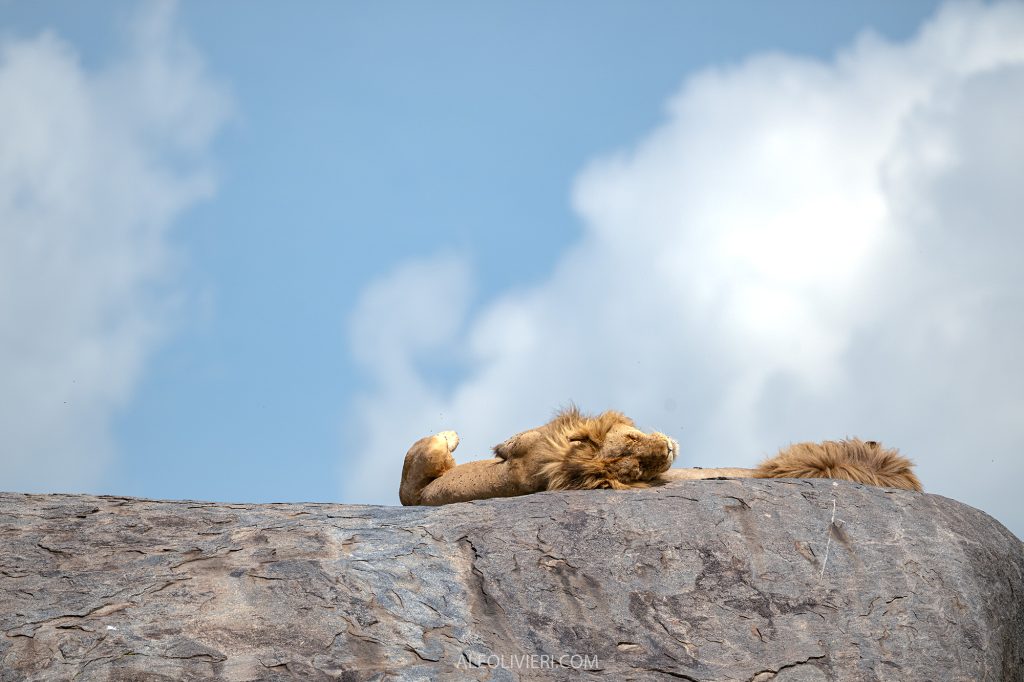
Lions lounging atop granite kopjes (boulders), and having some of the best naps of their lives. Multiple cheetah encounters, each one more thrilling than the last. A leopard draped elegantly across a tree branch, barely visible until you knew where to look.
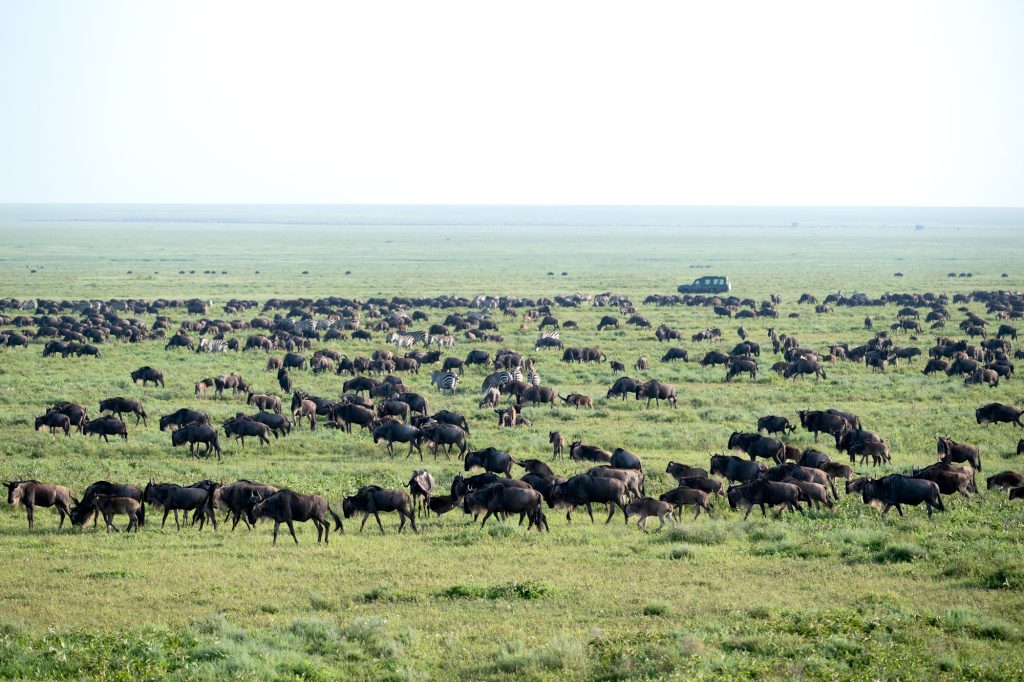
And everywhere—zebra and wildebeest, stretching to the horizon. The calving grounds of Ndutu are perhaps some of the most prolific wildlife-viewing grounds of the Serengeti; what makes them even more incredible is the intimacy. Fewer people dare to travel in the green season, and this directly translates to fewer vehicles, less chaos and an enjoyment of nature in a way that feels more respectful and more ethical towards nature.
Why the Green Season is Worth It
What stood out most about Ndutu – and all our safari – wasn’t just the wildlife, it was the space and the different pace.
The grass was short, making sightings easier, but unlike peak season, there were very few vehicles. We often found ourselves alone with incredible scenes, surrounded by silence and enjoying sightings all to ourselves.
Yes, traveling in the green season requires a bit more planning. You’ll need to pack for rain, and conditions can be unpredictable and sometimes you might have long stretches of well.. not much. But what you gain in return is something rare: intimacy, authenticity, and a sense of wilderness that could get trampled on in certain areas during the madness of the crossings in the “Great Migration” due to over tourism.
In addition to the safari aspect, many lodges and camps have reduced rates in order to entice travelers to get out of their comfort zone and travel during this time. Single supplements are often wavered which makes high end safaris camp more accessible to solo travelers too.
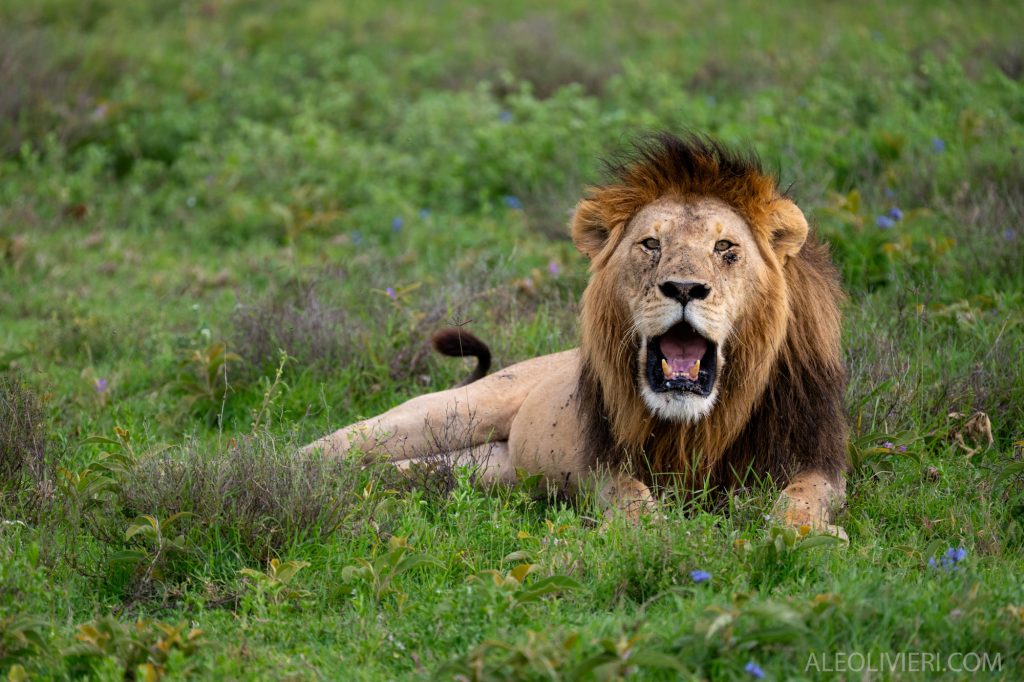
Tanzania in the green season is vibrant, alive, and full of surprises. From the quiet forests of Arusha to the rain-soaked drama of Tarangire and the life-filled plains of Ndutu, every moment tells a story.
If you’re willing to embrace a little rain and step off the well-trodden path, you’ll discover a version of safari that few truly experience.
And trust me—it’s worth it.